
| Quick Answer: While the court rarely punishes cheating with “moral” judgments, how an affair affects divorce is very real in three areas: Dissipation of Assets (reimbursing money spent on the affair), Increased Legal Costs (due to discovery and emotional conflict), and Negotiation Leverage (using guilt to settle faster). |
Introduction: The “Moral Victory” Trap
When you discover your spouse has been cheating, your entire world shatters. The betrayal is visceral. Naturally, when you walk into a divorce attorney’s office, you want justice. You want the judge to bang the gavel, look at your spouse, and say, “Shame on you. Because you broke your vows, you lose everything.”
I understand that desire for a moral victory. I hear it from my clients every week.
But here is the hard truth I have to tell them as a CDC Certified Divorce Coach®: Illinois is a “No-Fault” divorce state.
As Attorney Kelly Giraudo, Partner at Butler, Meister and Giraudo in Morton, Illinois, explains: “Illinois is a no-fault state, meaning that an affair will not be a relevant factor when considering the allocation of parental responsibilities or the division of assets and debts of the marriage.”
Attorney Raiford Dalton Palmer, Partner at STG Divorce Law, P.C., adds that parties “can’t even mention cause for divorce in their pleadings (other than ‘irreconcilable differences’).”
If you go into divorce expecting the court to validate your pain, you will leave disappointed and broke. However, that doesn’t mean the affair doesn’t matter. It just matters in a different way than you think. How an affair affects divorce comes down to three specific areas: Strategy, Spending, and Conflict.
1. The Financial Impact: “Dissipation of Assets” (The Real Win)

While the court won’t fine your spouse for breaking your heart, they will fine them for spending your money.
In Illinois, this is called a Dissipation of Assets Claim. Marriage is a financial partnership. If your spouse took money from that partnership to fund their affair, they legally “stole” from the marital estate.
This includes:
- Dinners and hotel rooms with the affair partner.
- Gifts, jewelry, or vacations.
- Money was withdrawn from joint accounts to set up a new apartment.
The Strategy: We don’t audit your spouse’s morals; we audit their bank statements. This is where your Certified Divorce Financial Analyst (CDFA®) becomes your best friend. If we can prove they spent $20,000 on the affair, the court can order that $20,000 be put back into the pot—or deducted from their share of the settlement.
💡 Coach’s Corner: Start gathering credit card statements now. Look for charges that don’t make sense. This is leverage for your Illinois divorce strategy.
2. The Cost of Conflict: The “Discovery Nightmare.”
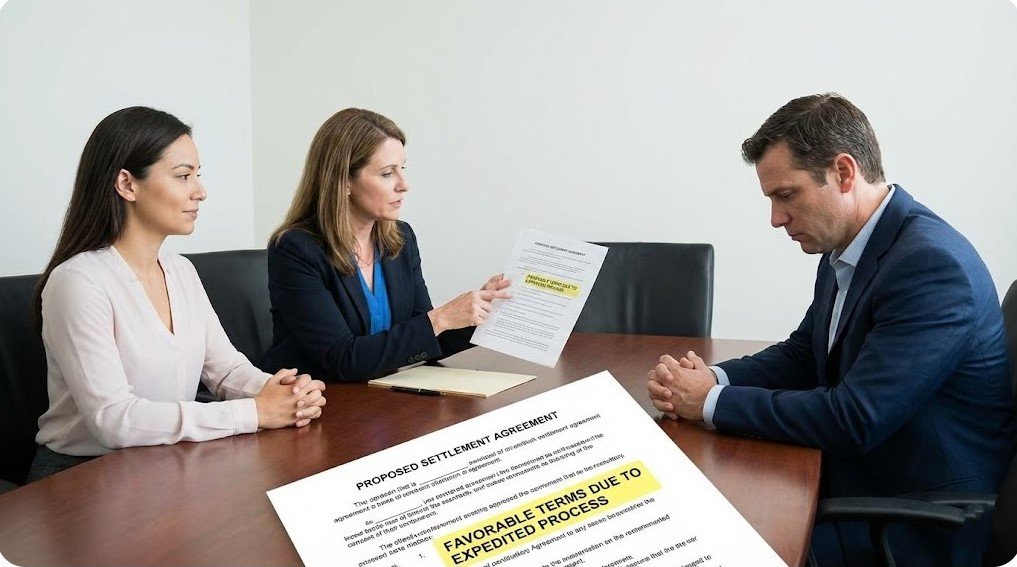
The Google AI Overview warns about “Heightened Emotional Conflict” for a reason. This is the single most expensive part of an affair-driven divorce, often triggered by a legal process called Discovery.
As soon as the opposing counsel finds out about an affair, you need to be prepared for a massive amount of questions and paperwork known as “Request to Produce and Interrogatories.”
These aren’t just simple questions. They are detailed demands that require you to dig up:
- Additional financial disclosures.
- Diary entries.
- Printed strings of text messages.
I’ve had clients have to take days off work just to fulfill these requests. Finding out about an affair is almost always an open door invitation for this expensive, time-consuming next step. It makes both attorneys’ invoices jump considerably for the time needed to review and advise upon.
The “Grief Delayed” Trap. Beyond the paperwork, there is the emotional cost. As author Victoria Mitchell notes in Surviving Grief, jumping into a new relationship (or obsessing over one) disrupts the task of processing the grief of your lost marriage. You are left with work still to be done, “shut down by the glow of new love” or the heat of anger.
The best revenge isn’t a long court battle; it’s a healthy bank account and a happy future without them. Read more about planning for life after divorce to keep your focus forward.
3. The Leverage Factor: Using Guilt as Strategy

While the Judge doesn’t care about the affair, your Spouse might. This is the hidden strategic advantage.
Often, a cheating spouse is in the “Affair Fog.” They are so desperate to start their “new life” with their affair partner that they want the divorce over yesterday. They may also carry significant guilt (or fear of reputation damage if the affair becomes public knowledge in a small town).
The Strategy: A divorce coach helps you use this. If they are in a rush, we can often negotiate a more favorable financial settlement in exchange for a quick, quiet, uncontested divorce. Strike while the guilt—or the distraction—is hot.
Does Cheating Affect Custody or Alimony? (The Hard Truths)
I need to bust two major myths so you can plan effectively.
1. “He cheated, so he shouldn’t see the kids.” Unless the new partner is a registered sex offender or poses a proven safety risk to the children, the court generally does not withhold custody because of an affair.
The Risk of Parental Alienation. However, there is a massive risk here: Alienation. When an affair is found out, it’s suddenly very easy for the affair to be the only reason for the divorce in the eyes of the betrayed spouse. Too often, I’ve seen a wounded parent tell their children about the affair in an attempt to alienate them from the other parent.
Please remember: Children often don’t know the extent of the prior circumstances that led to the affair. Dragging them into this adult problem can backfire, causing them to pull away from you. If you are struggling with this dynamic, read my guide on co-parenting apps to help manage communication without conflict.
2. “She cheated, so I shouldn’t have to pay alimony.” In Illinois, spousal maintenance (alimony) is calculated based on income and the length of the marriage. It is a math equation, not a reward for good behavior. Cheating rarely disqualifies someone from receiving support.
Frequently Asked Questions About Affairs and Divorce
Q: How does having an affair affect divorce?
Legally, in a no-fault state like Illinois, it rarely affects the grounds for divorce. However, it significantly affects the financial settlement (through Dissipation of Assets claims) and the timeline. It can speed up a settlement if the cheater wants out quickly, or drag it out if the betrayed spouse uses the court process to seek emotional revenge.
Q: What is the biggest mistake during a divorce?
The biggest mistake is letting emotion drive your legal strategy. When you use your attorney as a therapist or a tool for revenge, you burn through cash that you will need for your post-divorce life. The goal of divorce is to uncouple your finances and life so you can be free. Check out my My Divorce Story to see how I navigated these same challenges.
Q: What are the consequences of having an affair?
Beyond the destruction of trust, the concrete consequences of divorce are:
Financial Penalty: Reimbursement for money spent on the affair (Dissipation).
Reputation Damage: Especially in small communities.
Discovery Costs: The massive legal fees associated with digging up evidence.
Q: What are the 4 things that lead to divorce?
Renowned researcher Dr. John Gottman identified “The Four Horsemen”: Criticism, Contempt, Defensiveness, and Stonewalling. Affairs are often the result of these four behaviors, not just the cause.
Conclusion: Don’t Let the Affair Steal Your Future Too
Your spouse already stole your trust and your past. Do not let them steal your future by dragging you into a high-conflict, expensive divorce that leaves you bitter and broke.
You need a strategy that separates the emotion from the business. We can validate your pain in our coaching sessions, but in the legal arena, we will focus on the math.
Join my Smart Start 90-Day Program, and I will help you calculate your Dissipation claim and build a plan that gets you out of this marriage with your dignity—and your finances—intact.
If you have specific questions about where to start, you can read my client success stories, check my FAQs page, or reach out directly.
Katie Vandenberg is a CDC Certified Divorce Coach® specializing in high-conflict co-parenting and strategic divorce planning in Central Illinois. She helps women build efficient, effective divorce teams that protect their finances and their peace, as seen in her client success stories.